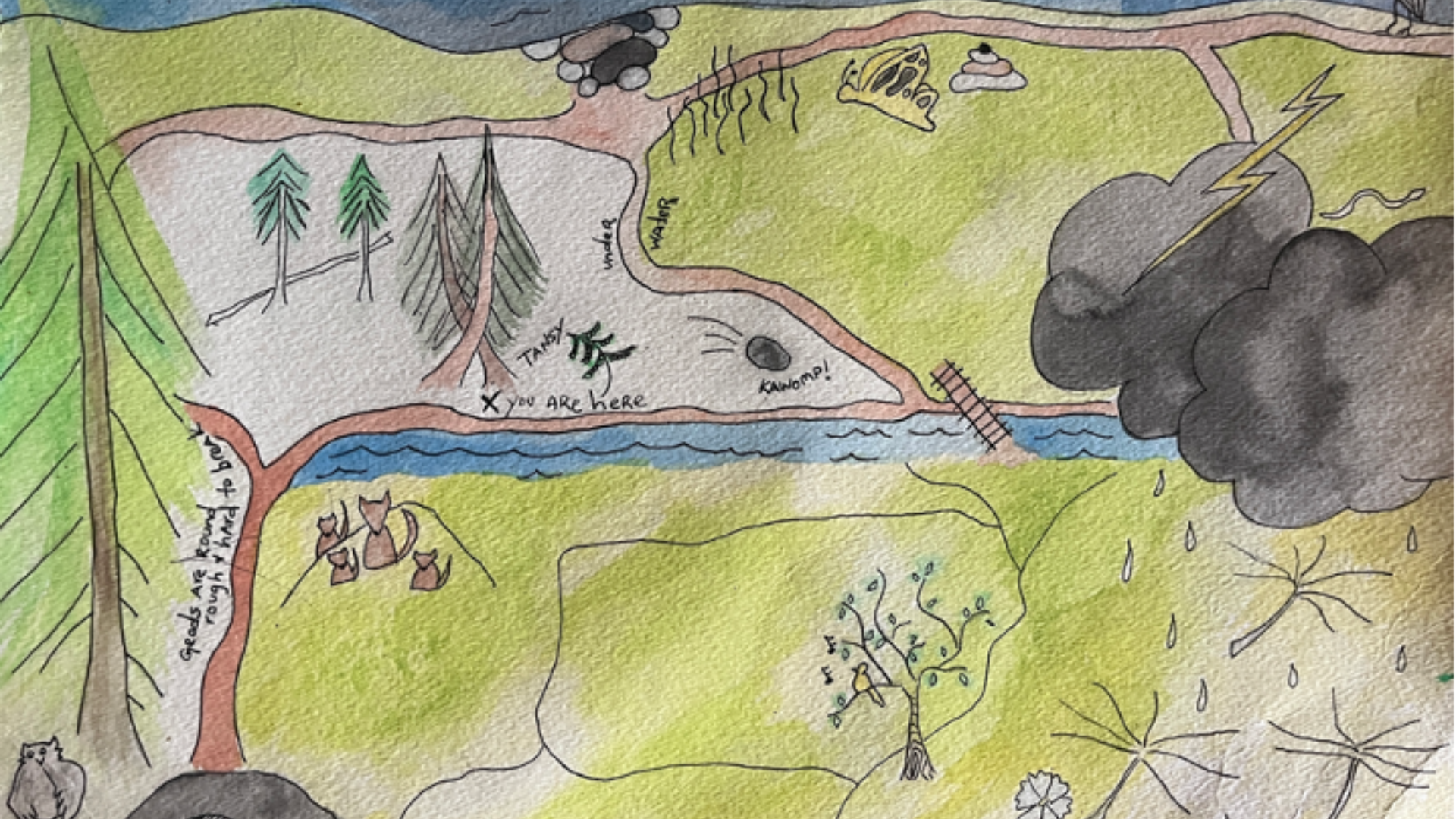
Memory maps can connect students to maps in general, their various uses throughout human history, and illustrative map making traditions. It also gets them thinking about way-finding on a very personal level and as an element of story telling and memory. You can facilitate a memory to map together- taking a walk as a group for example- or they can work with a memory all their own. Students could map their neighborhoods, their walk to school or a local park, another special place from their experience, or even their homes and yards. Because it engages memory and is evocative of personal narrative and mythologies, this is also a wonderful activity for adults.
Read more ...

1001 S Duck Street, Stillwater, OK 74074
(405) 744-1535 | infoartscenter@okstate.edu
Youth Classes
Parent and Teacher Resources
Welcome to the Prairie Arts Center Parent and Teacher Resources page where we share successful lesson plans from past Art Academy classes, summer camps, or other youth/outreach programming here at Prairie. Lessons will include enough detail, context, and resources to execute at home or in the classroom. It is our hope that this will be a valuable, shared resource among educators and parents in our community and beyond. We would be happy to receive feedback, social media tags, and suggestions!
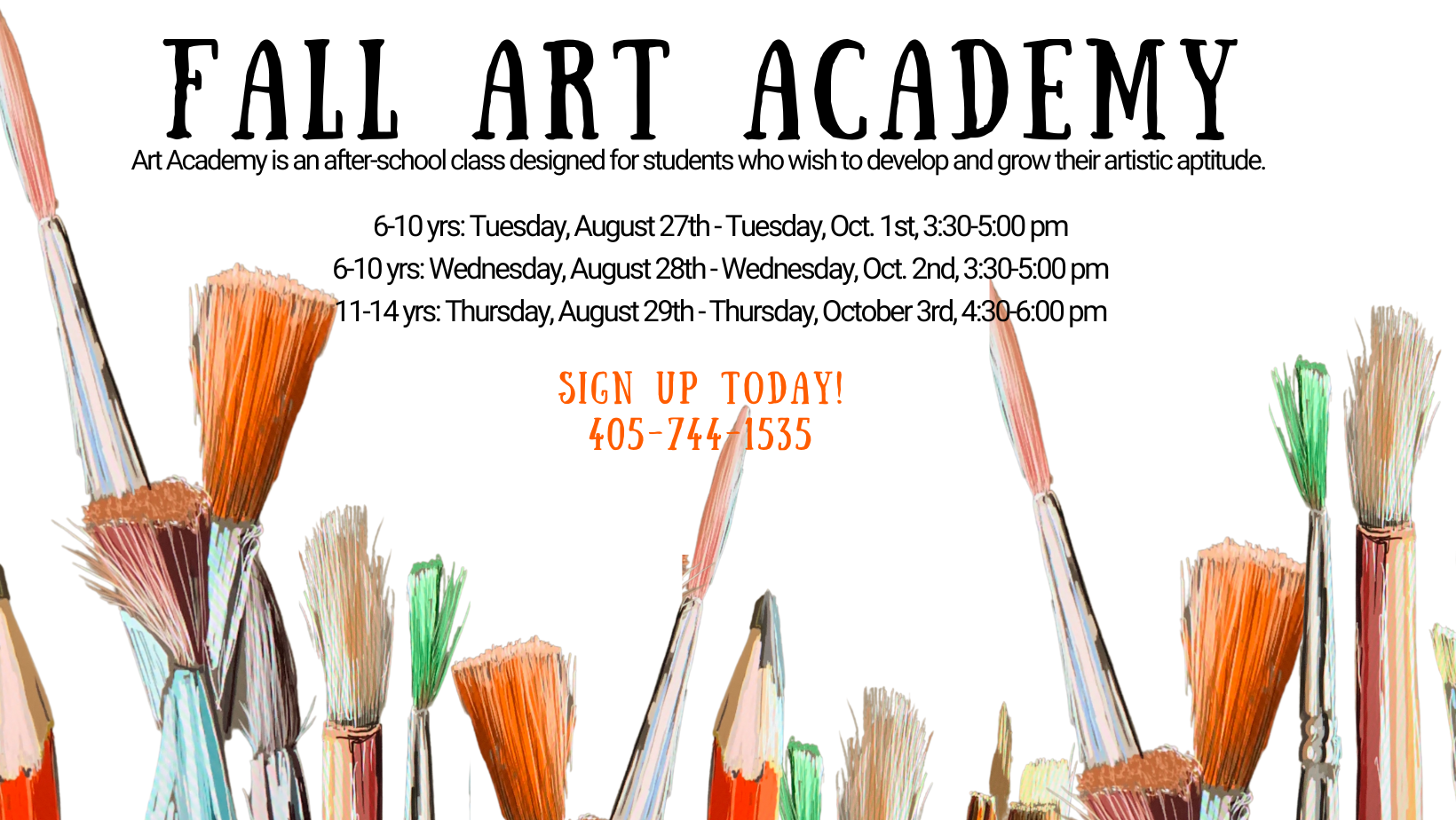
Fall Art Academy 2024
Art Academy is an after-school class designed for students who wish to develop and grow their artistic aptitude. Throughout each six week session, students learn and practice foundational skills in the visual arts and are exposed to a variety of mediums in both the 2D and 3D arts. Art Academy students also develop strong visual literacy and critical thinking skills through looking at and discussing their own artwork and the artwork of others. For the 6-10 year old cohort, each class yields a "final" work or project that is shared and discussed. For the 11-14 year old students, the focus shifts to project based instruction with an emphasis on skill building.
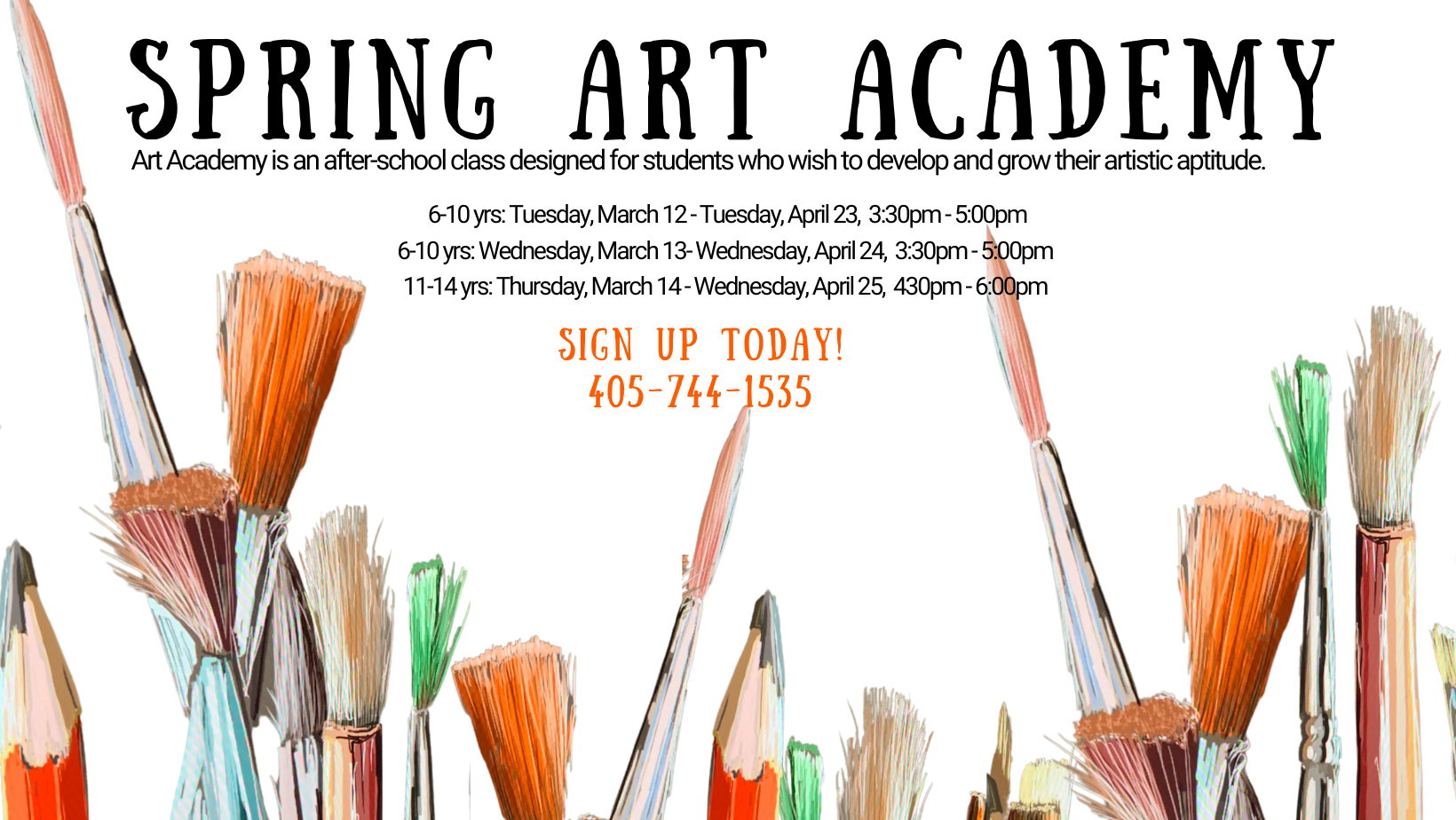
Spring Art Academy
Art Academy is an after-school class designed for students who wish to develop and grow their artistic aptitude. Throughout each six week session, students learn and practice foundational skills in the visual arts and are exposed to a variety of mediums in both the 2D and 3D arts. Art Academy students also develop strong visual literacy and critical thinking skills through looking at and discussing their own artwork and the artwork of others. For the 6-10 year old cohort, each session yields a "final" work or project that is shared and discussed. For the 11-14 year old students, the focus shifts to skills-based instruction with an emphasis on drawing, painting, design, and composition.
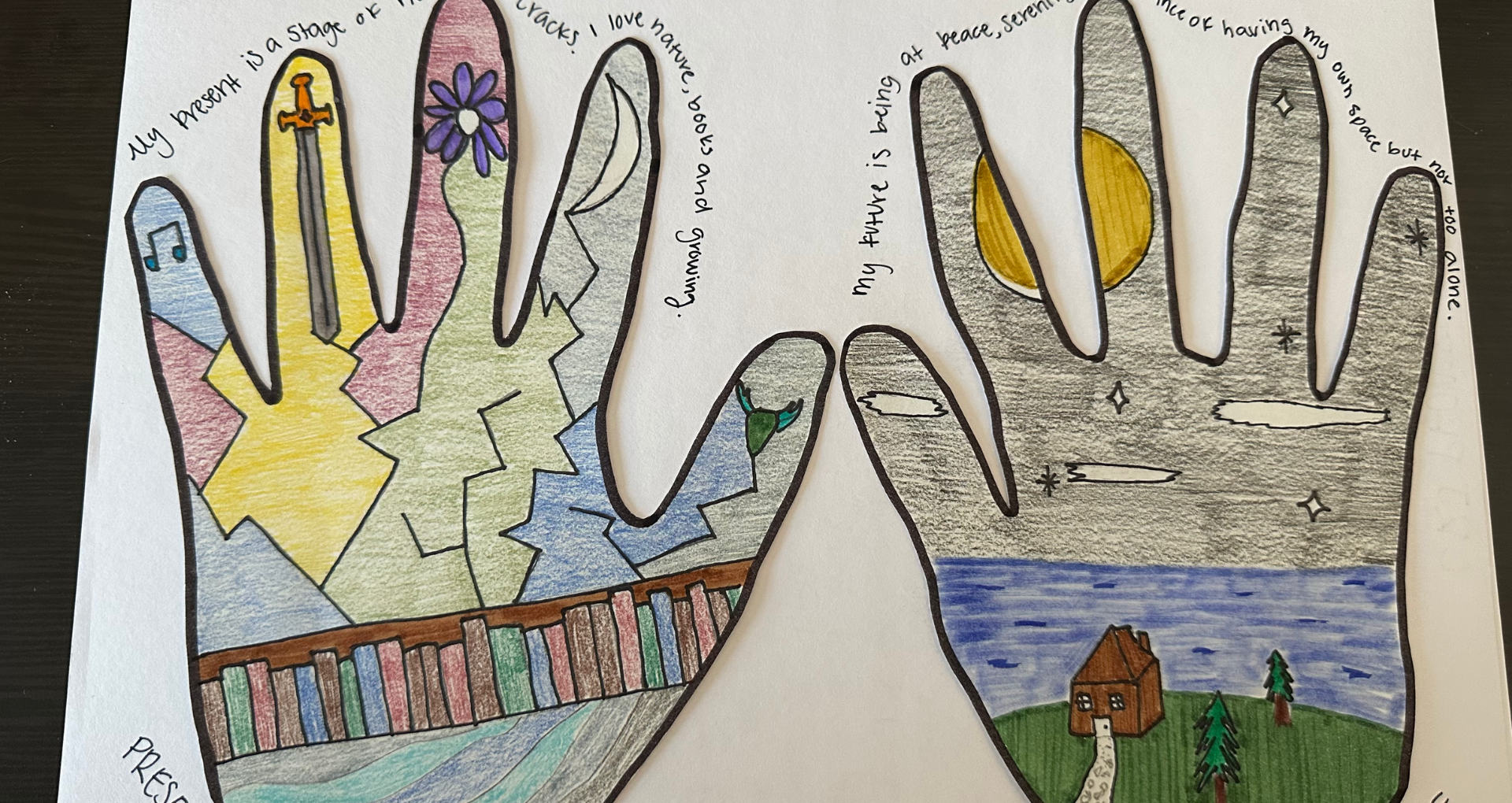
Handprints of My Present and Future Self
This lesson is an ideal way to incorporate art making and slow looking into the process of students getting to know one another at the beginning of the year. It is an activity I’ve seen used in therapeutic settings as well because it encourages self-reflection and a positive, imagined future self. It could also be modified to connect to a language arts lesson that seeks to build comprehension of symbols and symbolism or even to curriculum relating to archaeology and/or pre-literary human history.
Read more ...
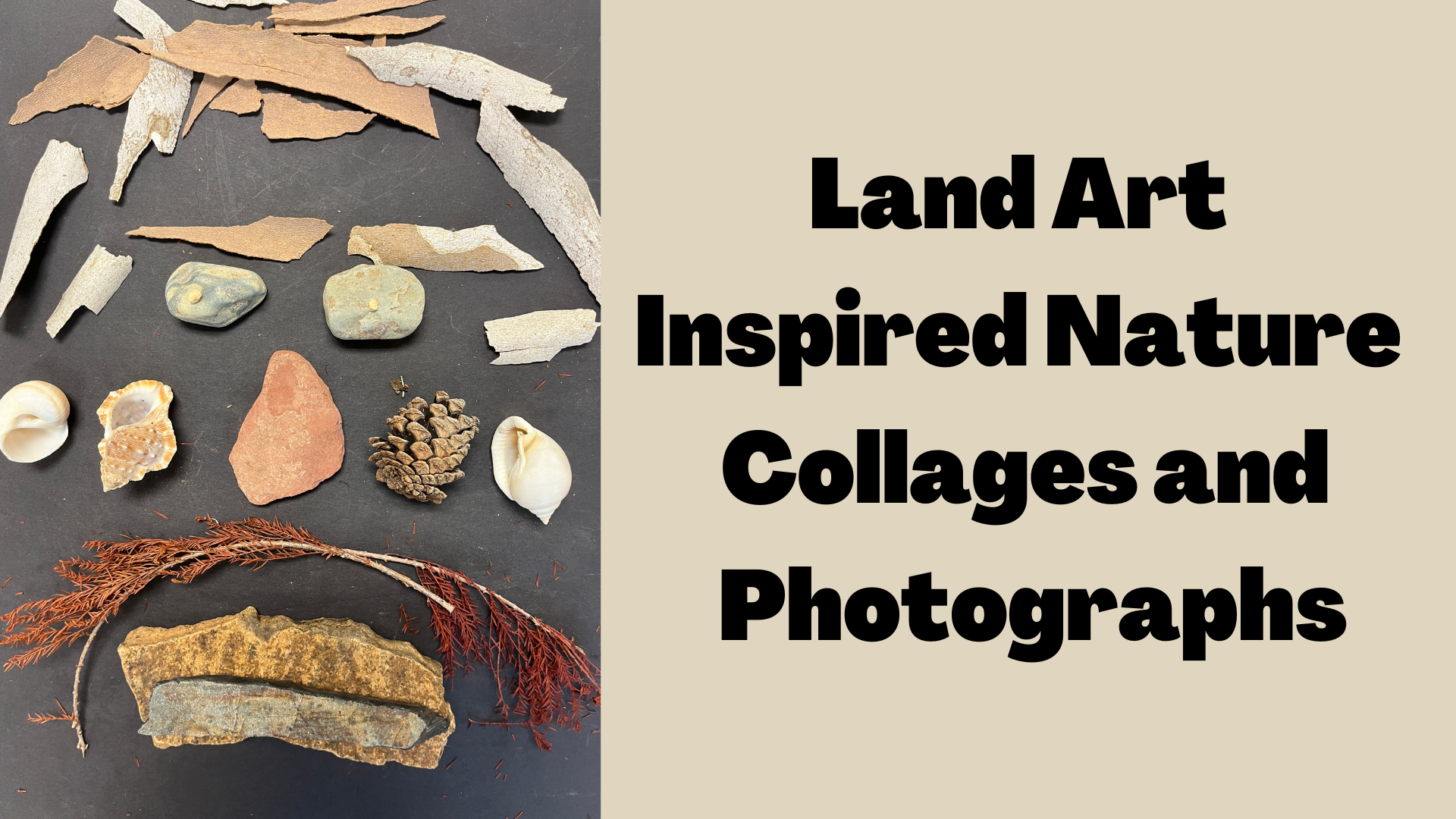
Land Art Inspired Nature Collages and Photographs
This summer camp season, our theme was Art Through the Decades. During our 1970s inspired camp, we learned about the land art movement and looked at iconic works by Robert Smithson, Nancy Holt, and the more recent (and smaller scale) works of Andy Goldsworthy. We took these artists' lead, and created ephemeral, nature-based works of our own. Instead of glueing anything down, the students documented their work with photographs and took the printed images home as artifacts of their experience. It was one of the most pleasurable lessons to teach (no mess!) and the kids relished the connection to nature and the freedom of process over product. This project could be modified for any age group, pre-K through 12th grade.
Read more ...